
 Movement
Thank you.
For every corridor you've walked, every patient you've lifted, every shift you've stayed on your feet long after your body asked to sit down.
And a quiet question.
When did you last move just for you?
Intentional movement isn't another thing to fit into a full day. It's choosing to move on purpose, in the moments you already have, and noticing how your body feels as you do.
What the research shows
Short bursts count. In a study of 25,241 adults who didn't exercise (average age 62), about three one-minute bursts of vigorous everyday activity a day, like climbing stairs briskly or hurrying for a bus, were linked with up to 40% lower risk of dying from any cause or cancer, and up to 49% lower risk of dying from heart disease [1].
Walking helps you think. Across four experiments with 176 people, walking boosted creative thinking by about 60% on average compared with sitting, and the effect lasted briefly after people sat back down [2].
Movement may protect against exhaustion at work. A systematic review of studies in healthcare workers found that physical activity was often linked with a lower risk of burnout, particularly emotional exhaustion and feeling detached at work [3]. A second review of trials found exercise consistently reduced stress and improved sleep in healthcare staff, though results for other outcomes were mixed [4].
Every bit adds up. Australia's guidelines suggest 150 to 300 minutes of moderate activity a week (or 75 to 150 minutes of vigorous activity), muscle strengthening on at least 2 days, and breaking up long periods of sitting [5].
Treat these findings as a guide, not a rule. Most of the studies show links rather than cause and effect.
Six moves you can do anywhere
These need no gym and no equipment. Start where you are, and aim for one or two more repetitions each time, rather than big jumps.


Walks in nature. 10 to 20 minutes in a park or on a trail. Notice what you see, hear and smell.
Chair squats. Stand up from your chair and sit back down slowly, using the full range of motion. Count how many you do in a minute and try to beat it next time.
Step-ups. Using a bottom stair or a sturdy step, step up and down, leading with one leg at a time.
Wall push-ups. Stand an arm's length from a wall, hands at shoulder height, and lower your chest towards it. Good for arms, chest and shoulders.
Bridge hold. Lie on your back with knees bent and feet flat. Lift your hips and hold for up to 30 seconds. Works your glutes and core.
Isometric squeezes. Tighten a muscle group (thighs, glutes, shoulders) for 3 to 5 seconds, then release. Perfect for sitting at a workstation.
Good to know: "exercise snacks" work best when they're a little breathless. If you can still sing, you can go slightly harder.
How hard is hard enough?
Intensity is how hard your body is working. Getting it right helps you improve safely and reduces injury risk. There are three simple ways to check it:
The talk test. If you can talk but not sing, you're at a moderate intensity. If you can only say a few words before pausing for breath, you're working vigorously.
Rating of perceived exertion (RPE). On a scale of 1 to 10, how hard does it feel? Around 5 to 6 is moderate; 7 to 8 is vigorous.
Heart rate. Count your pulse for 10 seconds and multiply by six. A wearable can do this for you.
Start slow and build up. Going too hard too soon leads to injury, fatigue and giving up. Increase your effort a little at a time, set goals you can reach in a few weeks, and take rest days so your body can adapt.
Check your progress. Every month or so, look back at what's changed. A CHEK Practitioner, physiotherapist or accredited exercise physiologist can help tailor a plan to your body, your goals and your roster.
Movement and stress
Stress isn't all bad. Positive stress, the kind you feel before a challenge you're excited about, can sharpen focus and energy. Ongoing, unrelieved stress wears us down.
Cortisol is often called the stress hormone, but your body needs it. It wakes you up in the morning, helps manage blood sugar and gets you through a crisis. The problem is when stress never switches off. A workout raises cortisol for a short time; regular movement, over weeks, helps your body recover from stress more easily. Good sleep, regular meals of whole foods and time doing something you enjoy all help too.
Stress also comes from many directions on a shift: long hours without breaks, noise, heat or cold, skipped meals, too much caffeine, and the emotional weight of the work itself. You can't remove it all. Movement is one of the few tools you can use almost anywhere, in a few minutes.

Listen to your body
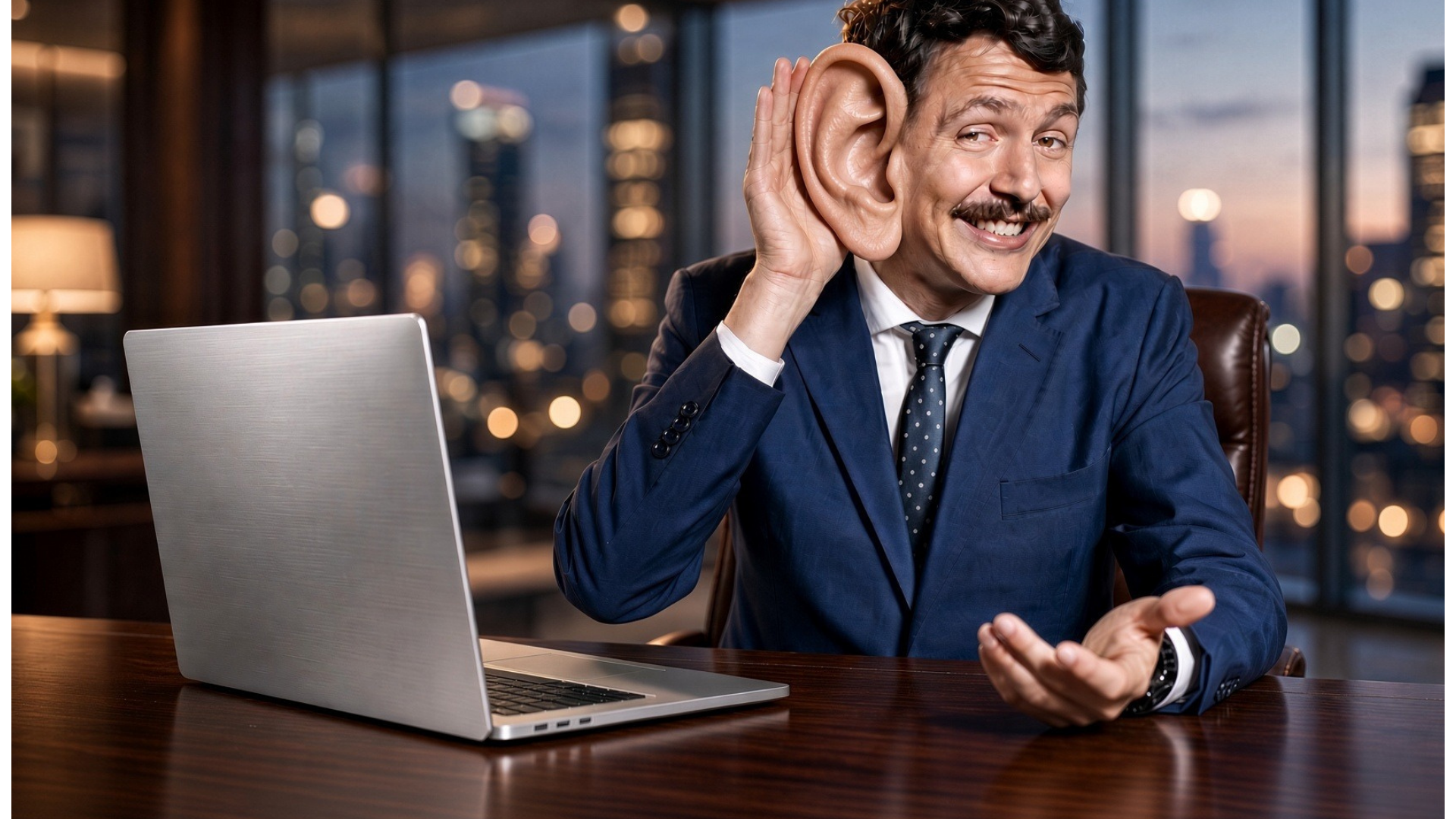
Your body is always sending signals: tight shoulders, a clenched jaw, heavy legs, a racing mind. On a busy shift, it's easy to override them.
Try a 30-second check-in a few times a day. Notice your posture, your breathing and where you're holding tension. Then move in response: roll your shoulders, take a slow breath, walk the long way round. Respect its limits, too. Rest is part of training, not the opposite of it.
What the studies cannot tell us
Cause and effect. The one-minute-burst study followed people over time and found links with lower risk; it doesn't prove the bursts caused the benefit [1].
Exactly how much you need. Researchers don't yet know the best "dose" of movement for mental wellbeing in healthcare workers [3].
What suits your body. Results are averages. Your health, injuries and fitness are your own.
When to get help
Check with your GP before starting new exercise if you have a heart or lung condition, chest pain, dizziness, joint problems, are pregnant or haven't been active for a long time. Stop and seek help if you feel chest pain, severe breathlessness or faintness while exercising. In an emergency, call 000.
If stress is feeling like too much, talk to your GP or someone you trust, or call Lifeline on 13 11 14.
Your health superannuation
We put money aside every week for our financial retirement. Your body deserves the same planning. Every minute you spend moving, sleeping well and eating well is a deposit into your health superannuation account, so that when you step back from work, you can spend your savings on holidays, not hospital visits.


"Small, deliberate movements, repeated every day, are how a healthier life is built."
Patricia Maris
How strong is your Movement pillar, really?
The MarisGraph Assessment looks at all 8 pillars of your vitality, including Movement. It's not a diagnosis. It's a clear picture of where to start.
Your score for Movement and the other 7 pillars
A starting point: your lowest pillar first
About 20 minutes, free to take
Key Takeaways
Short bursts count. A few one-minute bursts of vigorous activity a day are linked with a lower risk of heart disease [1].
Move while you work. Stairs, walking, and squats while you wait all fit into a shift.
Find the right intensity. Use the talk test: talking but not singing is moderate.
Start slow, build steadily. Small increases and rest days prevent injury.
Movement eases stress. Regular activity is linked with less stress and better sleep in healthcare workers [4].
View Recommended Resources
Stamatakis E, Ahmadi MN, Gill JMR, et al. Association of wearable device-measured vigorous intermittent lifestyle physical activity with mortality. Nature Medicine. 2022;28:2521–2529. doi:10.1038/s41591-022-02100-x source
Oppezzo M, Schwartz DL. Give your ideas some legs: the positive effect of walking on creative thinking. Journal of Experimental Psychology: Learning, Memory, and Cognition. 2014;40(4):1142–1152. doi:10.1037/a0036577source
Mincarone P, Bodini A, Tumolo MR, et al. Association between physical activity and the risk of burnout in health care workers: systematic review. JMIR Public Health and Surveillance. 2024. doi:10.2196/49772 source
Martland RN, Ma R, Paleri V, et al. The efficacy of physical activity to improve the mental wellbeing of healthcare workers: a systematic review. Mental Health and Physical Activity. 2024;26:100577. doi:10.1016/j.mhpa.2024.100577 source
Australian Government Department of Health. Physical Activity and Sedentary Behaviour Guidelines for Adults (18–64 years). source



 Sexual Vitality




 Rest


 Nutrition