


 Nutrition
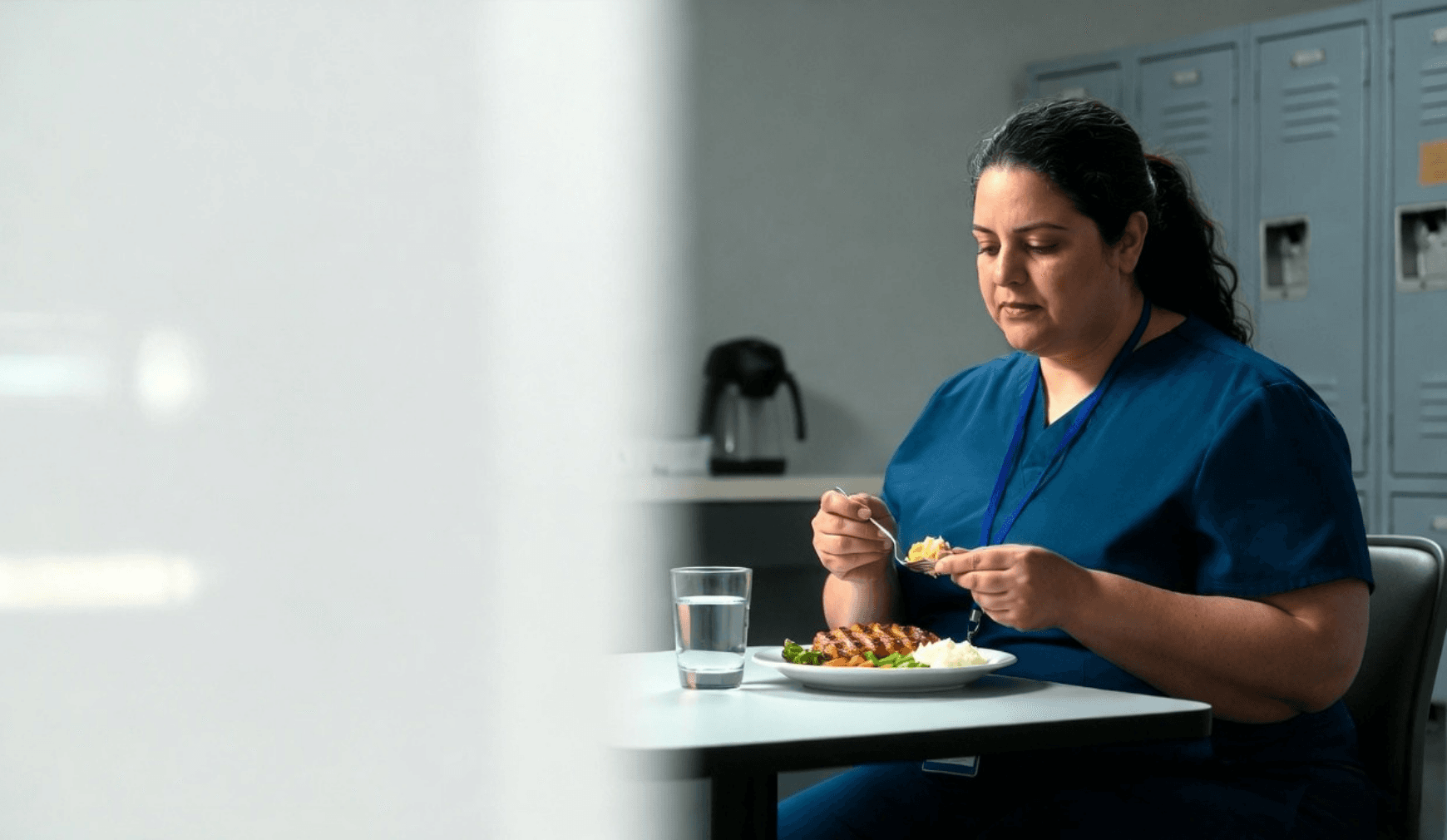
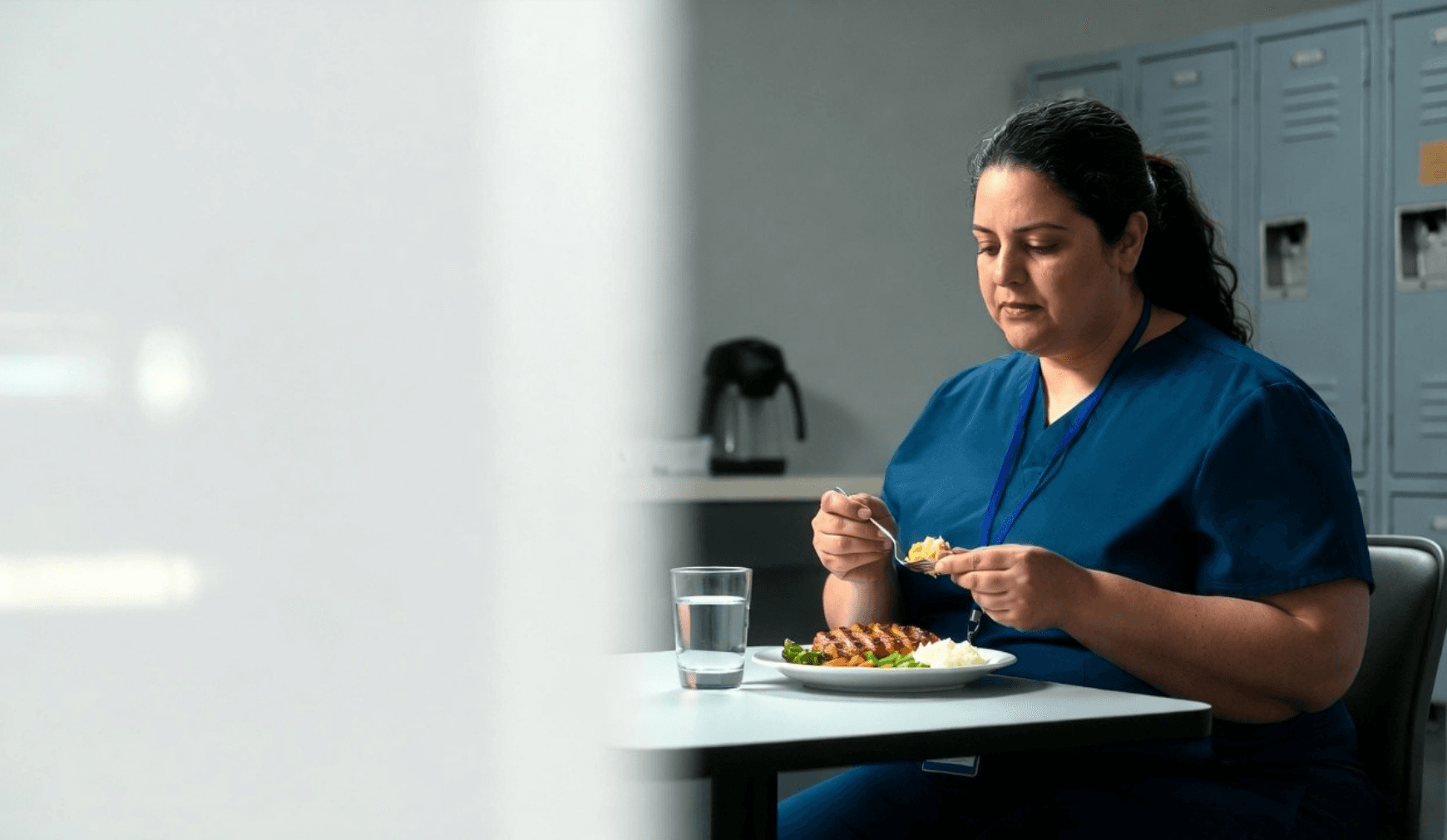
Healthcare professionals spend their days helping other people look after their health. It is easy to put your own last. Weight is also a sensitive subject, and for clinicians it can carry extra shame, as if you should somehow be immune.
You are not. This article takes a kind, practical look at weight and obesity among healthcare workers: what pressures your eating, how stress and work fit in, and which small steps help.
The reality for healthcare professionals
In a 2022 survey of 23,234 healthcare workers in China, 34.26% were overweight, and 11.22% had obesity (Guo et al., 2023). Figures vary by country, role, and how weight is measured, but the pattern is clear: healthcare workers are not exempt.
Long hours, shift work, and constant pressure make it harder to maintain healthy habits. This is a workplace and health issue, not a personal failing. Below are six perspectives on why and what helps.


1. Strain on the job
What is happening? Shift work, unpredictable schedules and long hours often lead to skipped meals, mindless snacking, and reliance on ultra-processed convenience food. Over time, eating this way can leave you tired and, in the long run, raise the risk of conditions such as high blood pressure, type 2 diabetes and heart disease.
Why it matters. When you run on sugar and caffeine, your energy rises and crashes, and your body pays for it.
What helps. Prioritise balanced meals with whole, nutrient-dense foods where you can. Small repeatable actions beat big changes you cannot keep up.
2. Burnout and food
What is happening. Burnout is common in healthcare. Poor eating doesn't cause burnout, but it can make exhaustion and mood swings harder to cope with. Low intake of nutrients such as iron, B vitamins, and magnesium can add to tiredness and foggy thinking.
What the research shows. In a 2024 study of 266 primary healthcare providers in rural Tanzania, 54.5% had burnout. Burnout was higher among nurses (61.3%) and was linked to working four or more night shifts a week and seeing 41 or more patients a day (Mfuru et al., 2024). That is one setting, and a study like this shows a link, not a cause.
Why it matters. When you are exhausted, food becomes quick comfort rather than fuel.
What helps. Start with the basics. Swap a vending-machine pastry for a pre-packed salad, some nuts or fresh fruit. Small changes support clearer thinking and steadier energy.
3. Mental health and nutrition
What is happening. Healthcare workers face real mental health challenges, including anxiety and low mood. Food is only one part of that picture. In a cross-sectional study of 596 young adults in Italy, those who ate the most ultra-processed food had higher odds of depressive symptoms (Godos et al., 2023). A study like this shows a link, not a cause.
Why it matters. Eating patterns and mood can influence each other. Many people find a Mediterranean-style pattern, rich in vegetables, legumes, fish and healthy fats, easier to feel good on.
What helps. Think of food as one support among several. Mental health care, sleep, connection and movement matter too. If you are struggling, speak to your GP or a support service.
4. Stress and eating
What is happening. Stress management is more than breathing exercises. When you are stressed or short on sleep, you may crave high-sugar, high-fat foods, and that can set up a cycle of energy crashes.
Why it matters. Craving food when you are stressed is human, not a lack of discipline.
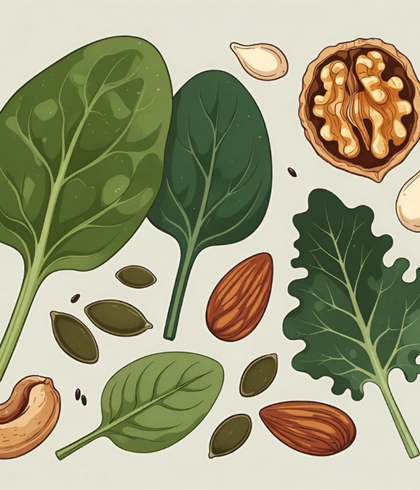
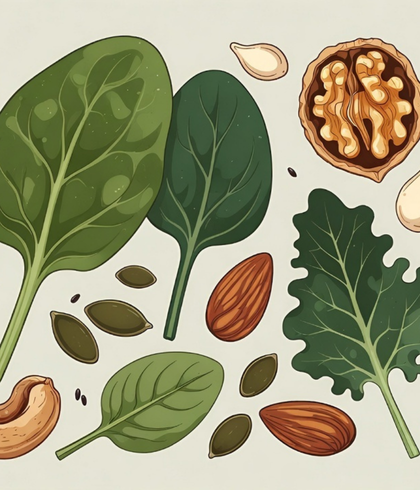
What helps. Build meals around dark leafy greens, nuts, seeds, legumes and whole grains. Keep water close during hectic days. A manageable, stress-friendly way of eating works better than a strict one.
5. Wellness when you are overworked
What is happening. System pressure often pushes clinicians to sacrifice their health for patient care. That does not make wellness a luxury.
Why it matters. Regular movement, paired with decent nutrition, supports stamina and mental clarity, which helps you problem-solve and communicate under pressure.
What helps. Aim for consistency, not perfection. Prep a few lunches with lean protein and plenty of vegetables. Add short bursts of movement, such as a 10-minute walk between meetings or gentle stretches after your shift.
6. Lifestyle and physical health
What is happening. A healthy lifestyle is closely tied to how you feel, how well you perform and how long you stay healthy. Your body needs protein to repair muscle and healthy fats to support brain function.
Why it matters. Patients often notice and are encouraged by clinicians who look after themselves. That does not mean your body size defines your skill or your worth.
What helps. Prioritise balanced meals, regular movement, and restorative sleep, one step at a time.
Weight is not a measure of your skill
What is happening.
Weight stigma is common, including in healthcare.
Shame and fear of judgement stop many people, clinicians included, from asking for help.
What the research shows.
Some people with serious mental illness fear judgement when clinicians raise weight. They value tactful, tailored advice at the right moment (Kemp et al., 2025). It is a small study of one group.
In Spain, 66% of 922 healthcare professionals believed obesity is entirely preventable by lifestyle. That belief was linked with higher stigma (Sánchez-Carracedo et al., 2026).
Weight is shaped by more than willpower, including medicines, sleep, stress, work patterns and food environments.
The Australian Institute of Health and Welfare (2026) links weight stigma with depression, body image concerns and avoiding health care. It cites studies where more than half of health professionals showed some weight bias.
Why it matters.
Body size does not tell you how good a clinician someone is.
BMI is a rough screening tool. On its own, it does not show how healthy a person is.
What helps.
Talk about habits, energy and how you feel, not size.
Be as kind to yourself and your colleagues as you would be to a patient.
Leaders can set the tone by never commenting on colleagues' bodies.
Australian experts also suggest using non-stigmatising language, noticing your own biases, treating each person as the expert in their own experience, and providing suitable equipment (Hill et al., 2024).
Small steps that fit a shift
Plan one meal. Pick one meal or snack to prepare ahead each week. Do that for a few weeks before you add anything else.
Keep fuel and water close. Keep a bottle at your station and a snack in your bag so the easy choice is the default.
Move a little. Take a short walk at a break, use the stairs, or stretch after your shift.
Protect your sleep. Poor sleep strengthens cravings and makes decisions harder. Aim for a regular routine where your roster allows.
Set aside a little time. Even 18 minutes a day for yourself adds up. Choose something you will actually do.
Be patient. Lasting change is steady and slow. A rough week does not undo your progress.
When to get support
See your GP or an accredited practising dietitian if you are worried about your weight or eating, if you have symptoms such as constant tiredness or breathlessness, or if you have diabetes, high blood pressure or another condition. They can look at the whole picture with you, and can talk through all your options, including medical ones.
If food or your body feels stressful or out of control, or you find yourself restricting, bingeing or worrying constantly about eating, please speak to your GP. Eating disorders can affect people of any age, weight or size, and they are serious, so please don't wait. The Butterfly Foundation helpline is on 1800 33 4673.
If work is getting to you, Nurse and Midwife Support is on 1800 667 877, and Lifeline is on 13 11 14. Doctors can also contact their state doctors' health service.
Call 000 if you or someone else is in immediate danger.


Looking after yourself is not selfish.
You give your attention to everyone else all shift. Give yourself a share too, one small, kind choice at a time.


Looking after yourself is not selfish. It is how you keep caring.
Patricia Maris, Founder, e7D-Wellness
Where does your wellbeing stand?
Nutrition and Movement are two of the eight pillars of wellbeing in Maris Metrics, alongside Willpower, Breathing, Hydration, Thoughts, Rest and Sexual Vitality. If you are not sure where the strain is building up, start with our free compassion fatigue assessment. It takes about 8 to 10 minutes, is private, and shows you where to begin.
Start free assessment (button in the sidebar card)
Key Takeaways
Healthcare workers are not exempt from weight challenges. Shift work, stress, and long hours make healthy habits harder.
This is a workplace and health issue, not a personal failing.
Weight doesn't measure your skill, your worth, or your credibility as a clinician.
Small, repeatable steps, like one planned meal, a short walk, and good sleep, beat big changes.
If food, weight or your mood feels stressful, speak to your GP or a support service.
View Recommended Resources
Guo, X., et al. (2023). Lifestyle behaviours and stress are risk factors for overweight and obesity in healthcare workers: a cross-sectional survey. BMC Public Health, 23, 1791. Opened and checked: 23,234 healthcare workers in China, 34.26% overweight and 11.22% obese.
Godos, J., et al. (2023). Ultra-processed food consumption and depressive symptoms in a Mediterranean cohort. Nutrients, 15(3), 504. Sample: 596 adults aged 18 to 35 in Italy; cross-sectional, so it shows an association, not causation.
Mfuru, G. H., Ubuguyu, O., & Yahya-Malima, K. I. (2024). Prevalence and factors associated with burnout among healthcare providers at Kasulu district in Kigoma region, 2024. BMJ Open, 14(12), e094520. Opened and checked the paper you sent: 266 providers, 54.5% burnout (95% CI 48.5% to 60.4%), cross-sectional.
Kemp, E., et al. (2025). A qualitative exploration of service users' experiences of weight management conversations in a mental health setting. PEC Innovation, 6, 100389. Opened and checked from the paper you sent: 13 service users, qualitative interviews, northeast England.
Sánchez-Carracedo, D., et al. (2026). Stigmatizing attitudes and misconceptions about obesity among Spanish healthcare professionals. PLoS One, 21(6), e0351868. Checked from the abstract you sent: 922 healthcare professionals, cross-sectional online survey.
Australian Institute of Health and Welfare (2026). Overweight and obesity: Weight stigma (web report, last updated 24 June 2026), including the section on eating disorders and disordered eating. Checked from the screenshots you sent.
Hill, B., de la Piedad Garcia, X., Rathbone, J. A., et al. (2024). Supporting healthcare professionals to reduce weight stigma. Australian Journal of General Practice, 53(9), 682–685. Opened and checked from the pages you sent: an expert reflection and recommendations after a co-design workshop, so it is expert opinion, not a trial.
General information only. It is not a substitute for professional advice.






 Thoughts







 Hydration
