
 Hydration
Staying hydrated is one of the simplest ways to protect your health. Yet the early signs of dehydration are easy to miss. A dry mouth in a meeting, a headache mid-afternoon or a wave of tiredness after lunch can all be gentle "whispers" from your body that it needs fluid.
If you work in healthcare, those whispers are easy to talk over. This article walks through seven of them, why they happen and what helps, so that you can act early.
Why the whispers matter
Dehydration often whispers before it shouts. Beyond thirst, even mild dehydration can affect concentration, mood, and energy. Listening early is easier than catching up later.
This is general information. If you have a kidney or heart condition, or a doctor has asked you to limit your fluids, follow their advice.
Whisper 1: Thirst
What is happening? Thirst is your body's alarm system. Brain sensors, including the hypothalamus, detect changes in your body's fluid balance and prompt you to drink.
Why it matters. By the time you feel very thirsty, your body has probably been short of fluid for a while. Ignoring thirst repeatedly can leave you tired and unfocused.
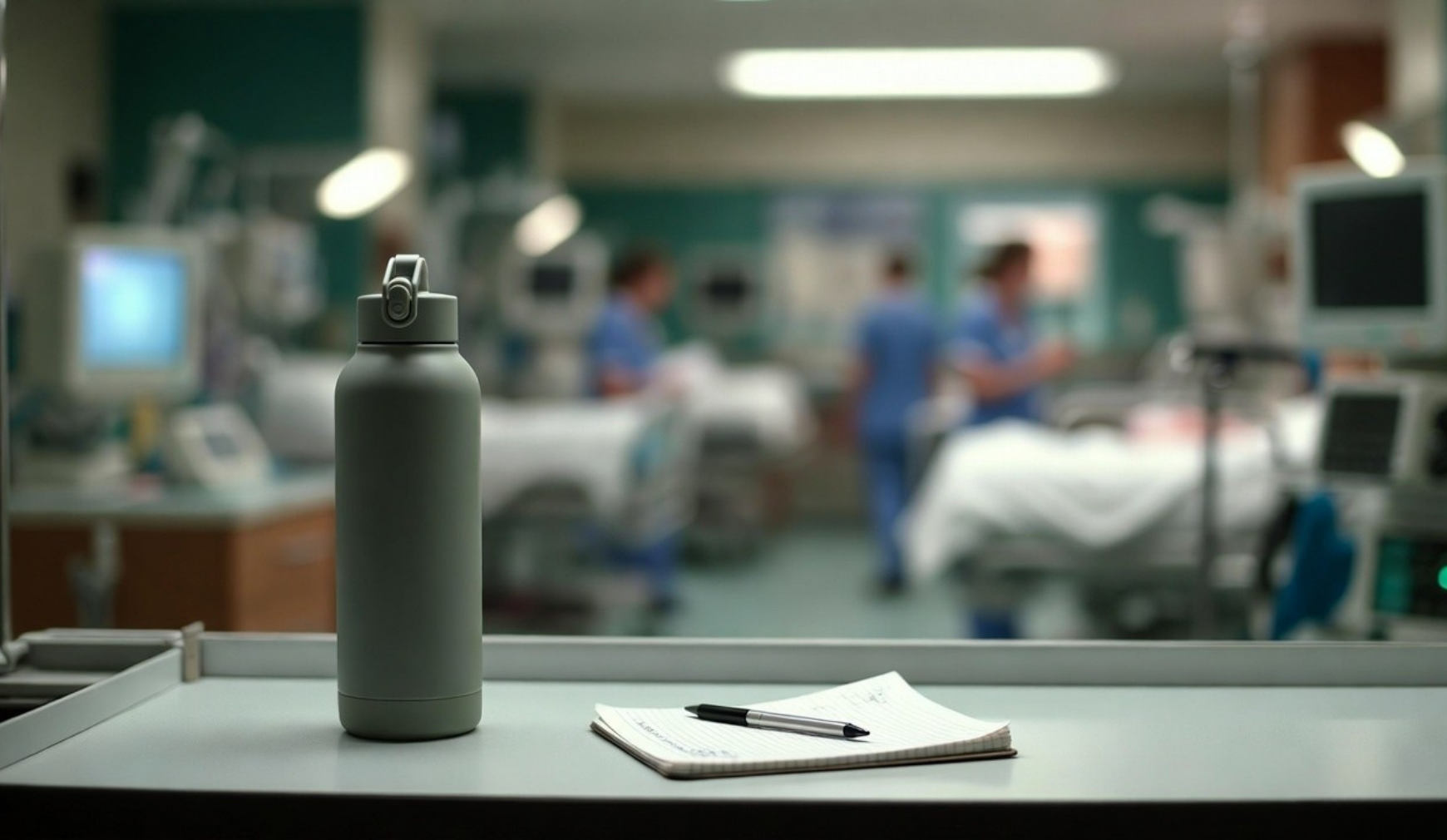
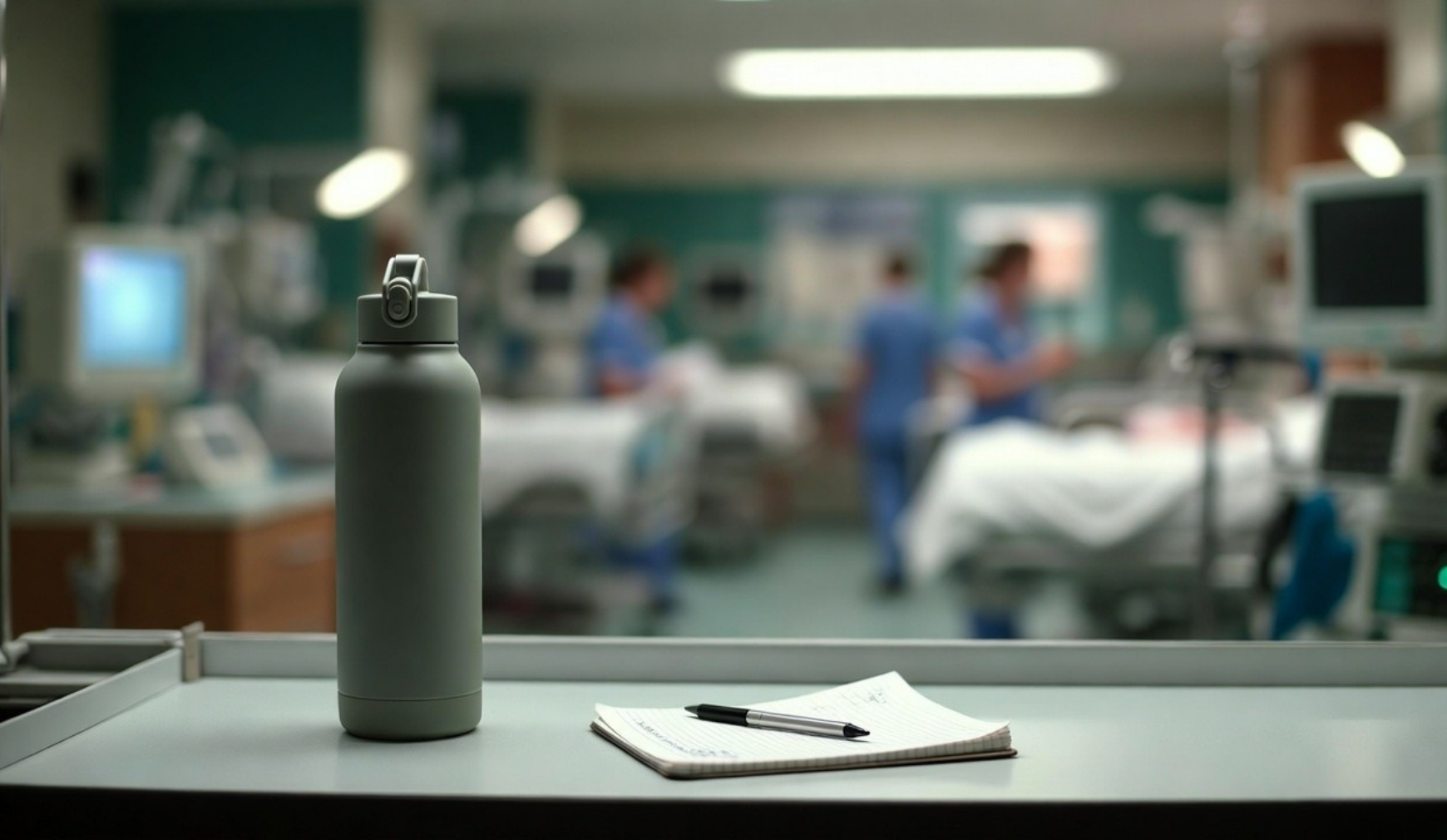
What helps. Do not wait for thirst. Sip regularly through the day. A visible water bottle is a useful reminder.
Whisper 2: Dry mouth and tongue
What is happening. When you are short of fluid, your mouth makes less saliva. It feels dry or sticky, and your tongue may feel rough.
Why it matters. Saliva helps wash away bacteria and protect your teeth. Over time, persistently dry mouth can increase the risk of cavities, bad breath, and gum problems. Some medicines also cause dry mouth, so mention persistent dry mouth to your GP or dentist.
What helps. Sip water through the day rather than drinking a lot at once. Foods with a high water content, such as cucumber, watermelon and oranges, can also help.
Whisper 3: Fatigue and lethargy
What is happening. That heavy, flat feeling in the afternoon can have many causes, and low fluid intake is one of them.
Why it matters. Tiredness affects concentration, mood and decisions, which matters in a job where clear thinking counts. It can also make you shorter with colleagues without you noticing.
What helps. Start your day with a glass of water and keep drinking through your shift. If you are sweating a lot, an oral rehydration drink can help replace salts. If tiredness lasts for weeks, speak to your GP.
Whisper 4: Headaches
What is happening. Low fluid levels can cause headaches. Many other things can cause them too, including poor sleep, stress and skipped meals.
Why it matters. Frequent headaches can wear down your day and your patience.
What helps. If a headache starts and you have not had much to drink, sipping water is a reasonable first step. Pay extra attention during hot weather or after exercise. Frequent, severe or unusual headaches need a GP, not just a glass of water.
Whisper 5: Dizziness or light-headedness
What is happening. Feeling light-headed when you stand up quickly can happen when you are low on fluid, because your blood pressure can dip.
Why it matters. Dizziness can lead to falls and injuries, especially on a busy ward.
What helps. Sit down, sip water slowly and stand up gradually. If you faint, or dizziness keeps happening, see a doctor.
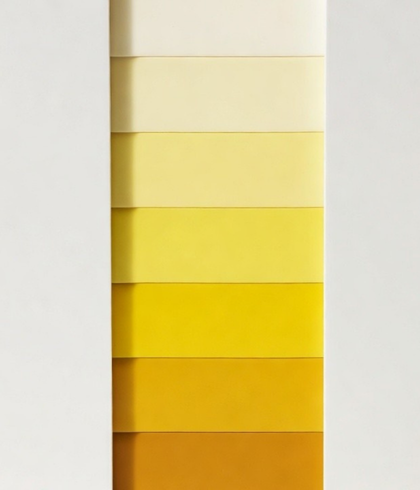
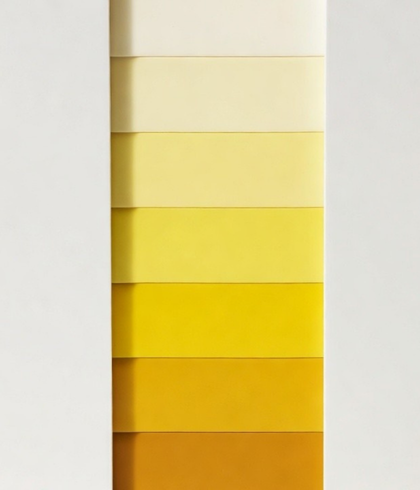
Whisper 6: Dark yellow urine
What is happening. When you are short on fluids, your kidneys hold on to water, so your urine becomes darker and more concentrated. Well-hydrated urine is usually pale yellow.
Why it matters. It is one of the easiest checks you can do. Some vitamins, foods, and medicines also darken urine, so one dark sample doesn't mean much.
What helps. If your urine is darker than pale yellow, drink a little more throughout the day. If it stays dark despite drinking, or you notice blood, pain or a burning feeling, see your GP.
Whisper 7: Less urine, or constipation
What is happening. With less fluid on board, your body makes less urine. Stools can also become harder to pass, as your gut needs fluid to move things along.
Why it matters. Constipation has many causes, including low fibre, little movement, and some medicines, but low fluid intake can make it worse. Passing very little urine is a sign to take seriously.
What helps. Spread your drinks evenly through the day. Soups, leafy greens and fruit add fluid and fibre. If you pass very little urine or constipation lasts, see a doctor.
Why shifts make it harder
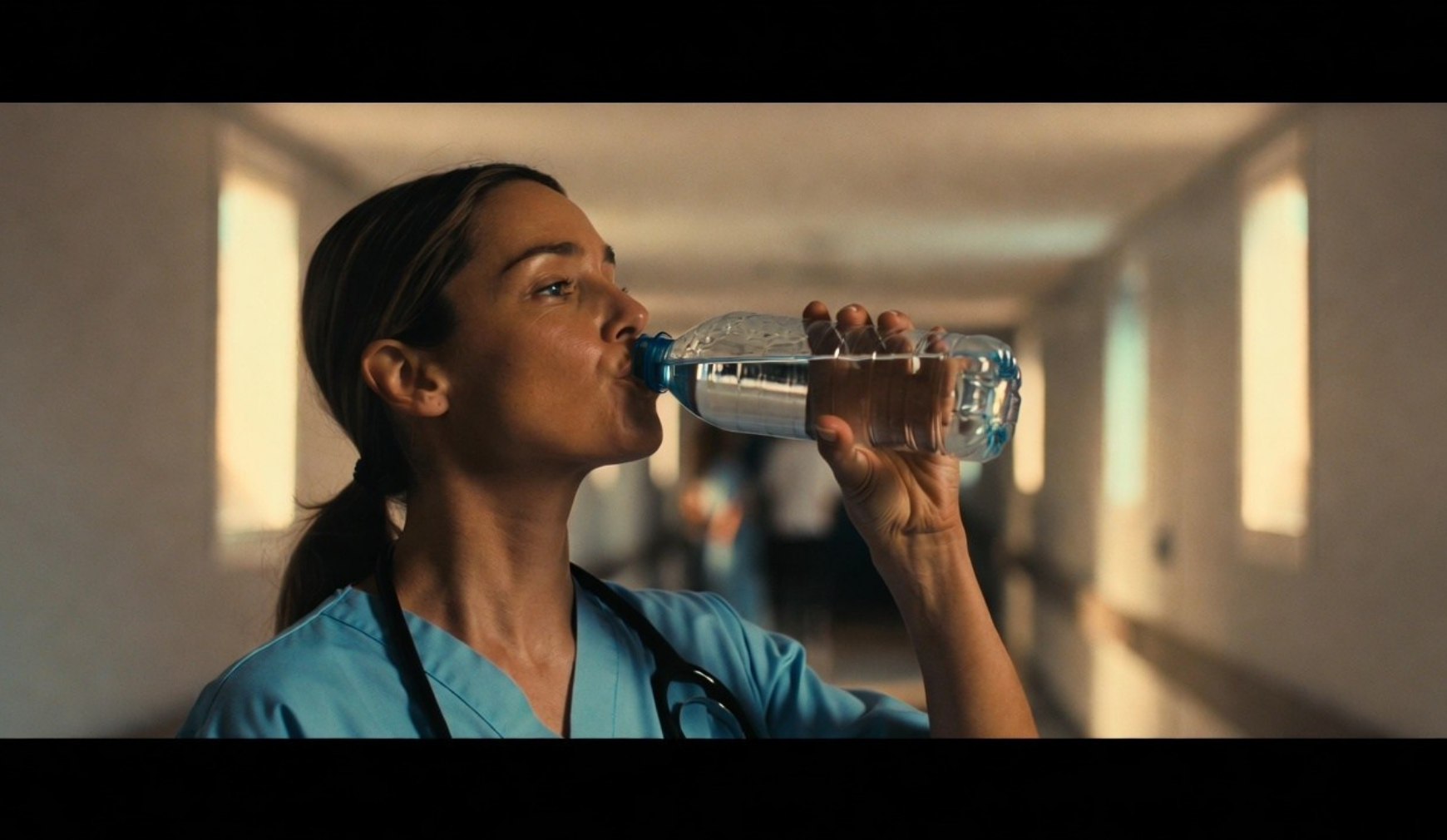
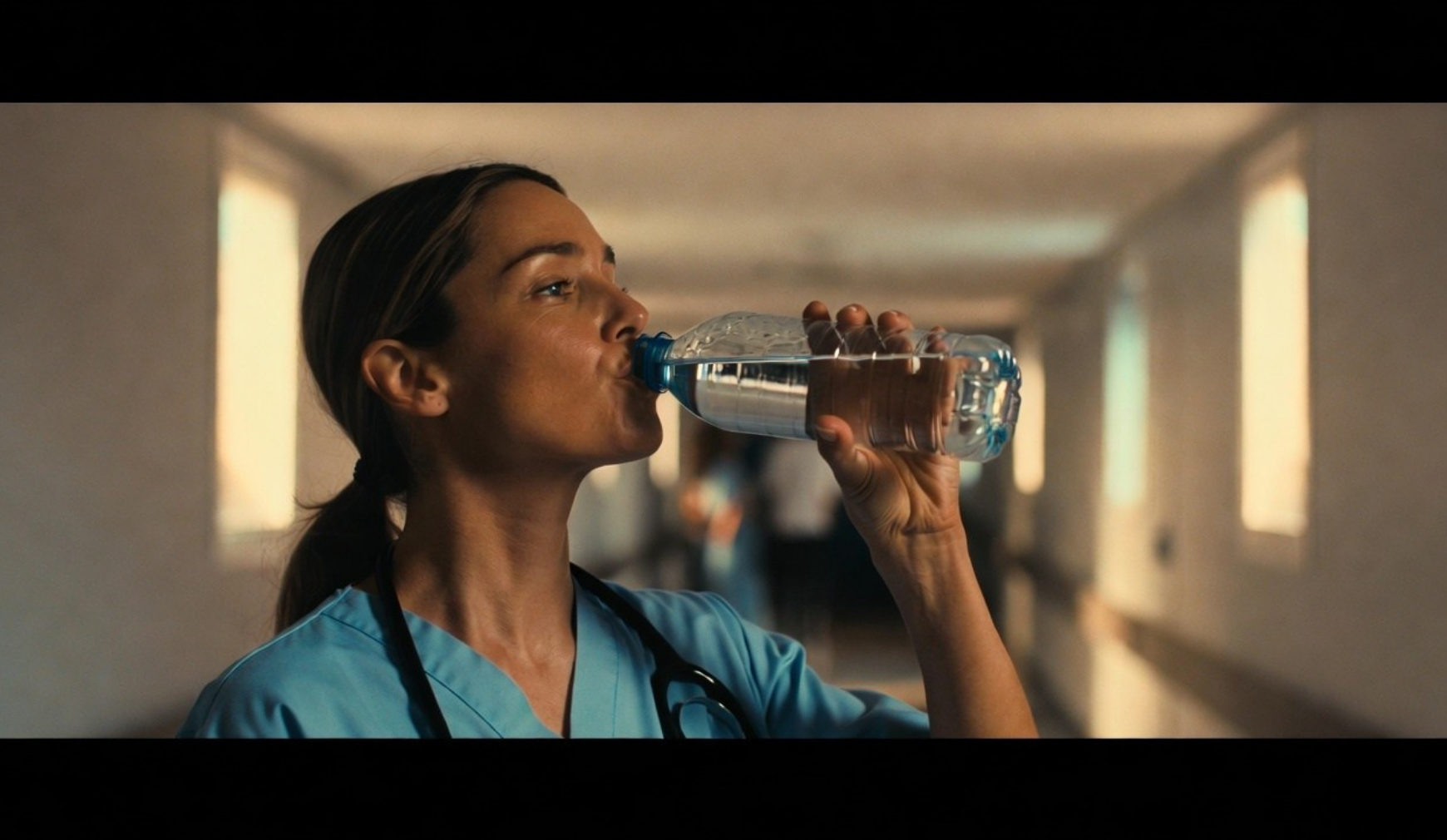
Water is easy to skip. Long shifts, missed breaks, wearing protective equipment and avoiding toilet trips all push drinking down the list. Many clinicians know they should drink more but still don't.
Make it automatic. Keep a bottle where you can see it, and take a few sips each time you wash your hands or finish a task. Drink a glass at handover. Aim for steady sips, not a rush at the end of the day.
Leaders can help. Protect breaks, keep water within easy reach on the unit and make it normal to stop for a drink.
When to get medical help
See a doctor promptly if you have vomiting or diarrhoea and cannot keep fluids down, if you pass very little urine, or if you feel faint, very weak or confused. Call 000 if someone collapses, becomes confused or cannot be woken.
Hydration is not an indulgence.
You would never ignore a colleague who said they felt faint on shift. Give your own body the same attention, and listen to the first whisper.


Dehydration often whispers before it shouts.
Patricia Maris, Founder, e7D-Wellness
Where does your wellbeing stand?
Hydration is one of the eight pillars of wellbeing in MarisMetrics, alongside Willpower, Breathing, Thoughts, Nutrition, Movement, Rest, and Sexual Vitality. If you are not sure where the strain is building up, start with our free compassion fatigue assessment. It takes about 8 to 10 minutes, is private, and shows you where to begin.
Start the free assessment (button in the sidebar card)
Key Takeaways
Dehydration often starts with small signals: thirst, dry mouth, tiredness, headaches, dizziness, dark urine, less frequent urination, or constipation.
Do not wait until you are very thirsty. Sip steadily through the day.
Dark urine is a quick, free check. Pale yellow is the aim.
Busy shifts make it easy to skip drinking, so link sips to things you already do, such as hand hygiene and handover.
If symptoms persist or are severe, see a doctor. Call 000 in an emergency.
View Recommended Resources
General information only. It is not a substitute for professional advice. If you have a kidney or heart condition, or have been told to limit fluids, follow your doctor's advice.



 Thoughts




 Sexual Vitality